About Us
We are a research collective built in Brixton, working across London, on the questions the people here were already asking.
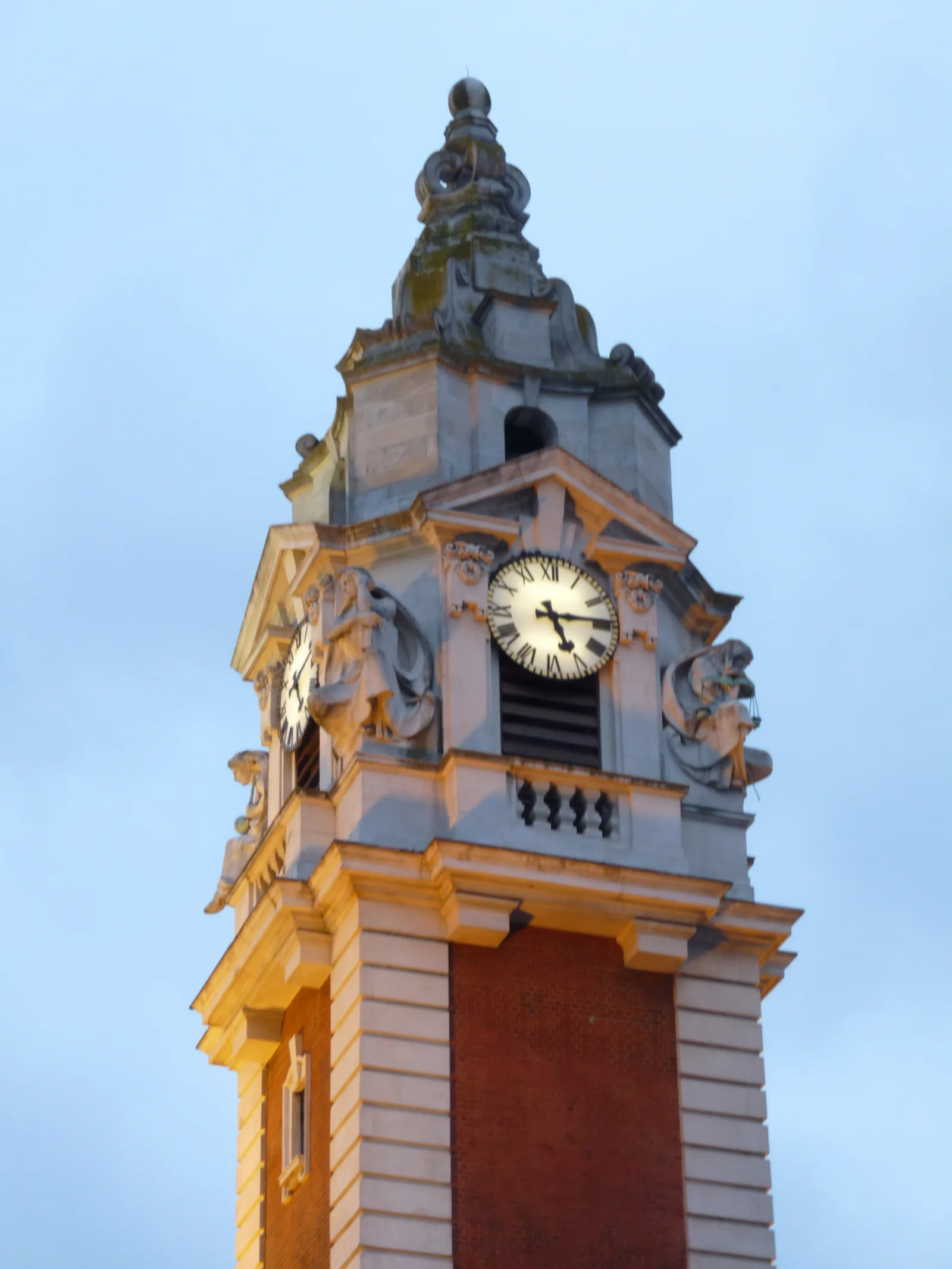
Why the address matters.
Urban Insight Collective was built in Brixton, and that is not decoration. In June 1948 the Empire Windrush docked at Tilbury. Of the passengers who arrived with nowhere to go, 236 were housed in the deep shelter under Clapham South. The nearest labour exchange was on Coldharbour Lane. People walked to Brixton to look for work, and they stayed.
What followed here was community knowledge produced without permission and almost always without funding. The organising, the supplementary schools, the health campaigns, the archives. When an institution failed to keep a record, people kept it themselves. That is community research, and it has been running in this part of London since 1948. It was simply never called that, and it was rarely recognised by institutions.
We work from the boroughs the evidence is about, not from a desk somewhere it is read. That is why the people whose expertise the work depends on sit on the team, and not on a list of people we consulted.
A short timeline
1948
The Empire Windrush docks at Tilbury. 236 passengers with nowhere to go are housed in the deep shelter under Clapham South. The nearest labour exchange is on Coldharbour Lane.
1981
The Black Cultural Archives is founded by Len Garrison and others, to keep a record that was not being kept anywhere else.
1998
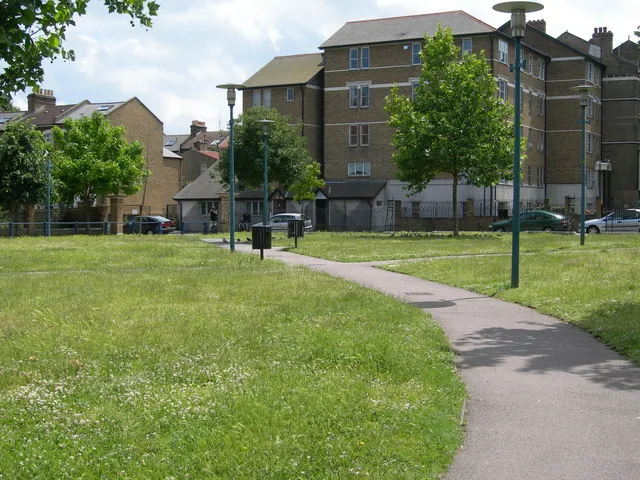
The square in Brixton is renamed Windrush Square, fifty years on.
2014
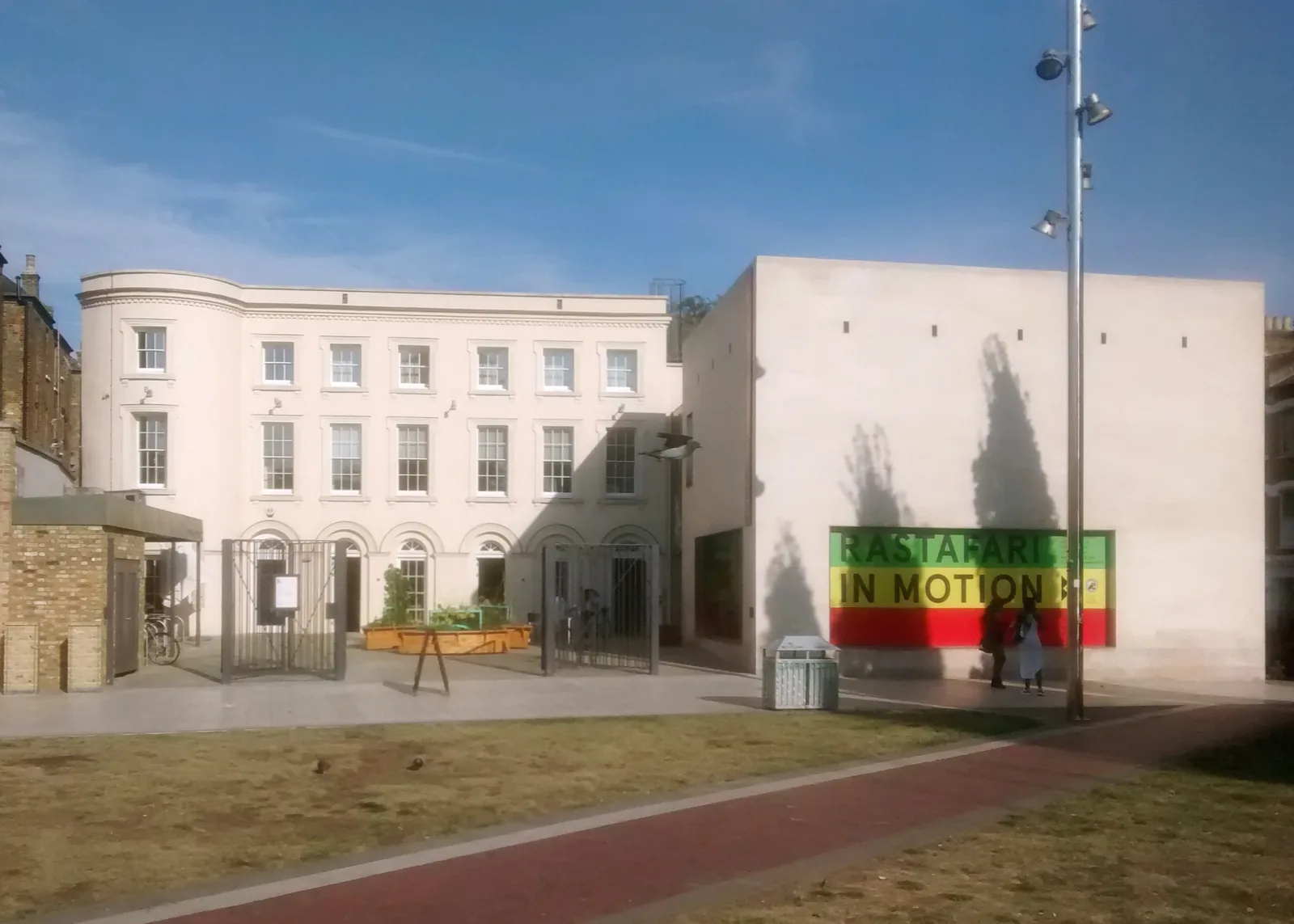
The Black Cultural Archives opens its building at 1 Windrush Square, in the former Raleigh Hall.
Today
Urban Insight Collective works from the same square mile, and pays community researchers to ask the questions.
1948
The Empire Windrush docks at Tilbury. 236 passengers with nowhere to go are housed in the deep shelter under Clapham South. The nearest labour exchange is on Coldharbour Lane.
1981
The Black Cultural Archives is founded by Len Garrison and others, to keep a record that was not being kept anywhere else.
1998
The square in Brixton is renamed Windrush Square, fifty years on.
2014
The Black Cultural Archives opens its building at 1 Windrush Square, in the former Raleigh Hall.
Today
Urban Insight Collective works from the same square mile, and pays community researchers to ask the questions.
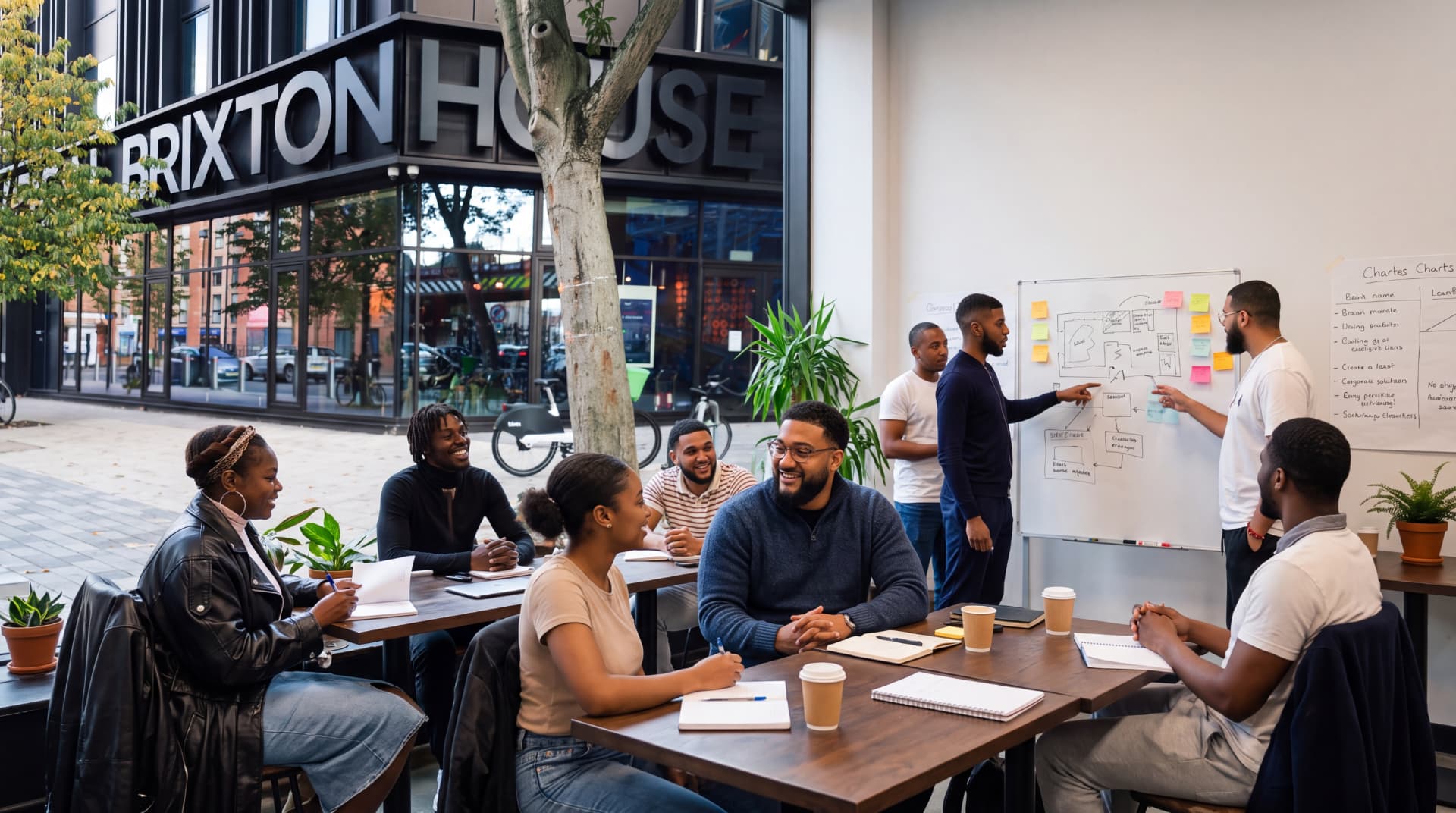
Research that serves communities and drives change
Urban Insight Collective exists to produce research and evaluation that matters. Evidence grounded in lived experience, conducted with rigour, and translated into action.
We believe that those closest to the issues hold essential expertise. Our role is to create the conditions for that expertise to shape research design, data collection, analysis, and action.
We work across health, social care, and community sectors, partnering with funders, commissioners, service providers, and community organisations who share our commitment to equity and learning.

How we collaborate
With funders
Designing evaluations that build evidence and support learning
With councils & NHS
Participatory research that informs service design and commissioning
With universities
Academic partnerships that bring community voice to research
With VCS
Building capacity for community-led research and evaluation
Four values, and what each one costs us.
Community without evidence is anecdote. Evidence without community is extraction.
Community
The people the research is about are on the delivery team, not in the appendix.
What it costs
Fieldwork takes longer, and the design has to work around people who are not career researchers.
Inclusion
Data is disaggregated far enough to show who is actually being missed.
What it costs
Smaller subgroups mean weaker statistical power, and we say so rather than aggregating the problem away.
Trust
We report what an institution did that cost it trust, including when that institution commissioned the work.
What it costs
Some findings are uncomfortable for the commissioner, and we do not remove them.
Evidence
Mixed methods, triangulated, with an audit trail from fieldwork to finding.
What it costs
We will not claim an effect the design cannot support, even when a headline would help everyone.
Impact is not on this list because it is not a value. It is a result, and it belongs in the work rather than on a wall.
Four disciplines, one delivery team.
Commissions at scale fail on capability gaps between disciplines, not within them. We hold all four.
Research and evaluation
Led by our Head of Research. Study design, evaluation frameworks, qualitative and quantitative analysis, and peer reviewed publication.
Community research
Community researchers recruited, trained and supervised as part of the delivery team, not brought in for fieldwork and released. Led by our Head of Engagement.
Design and digital
Led by a design leader with fourteen years building product design functions and design systems in fintech, streaming and B2B software, including a design system scaled to twenty two million subscribers and a design team of twelve across four international studios. Design systems, accessibility, and platforms built for other people to maintain.
Analysis at volume
Computational methods applied to large qualitative and quantitative sets, with agreement between coders reported rather than assumed.
Research organisations usually subcontract the build. Design studios usually subcontract the research. We do not do either.
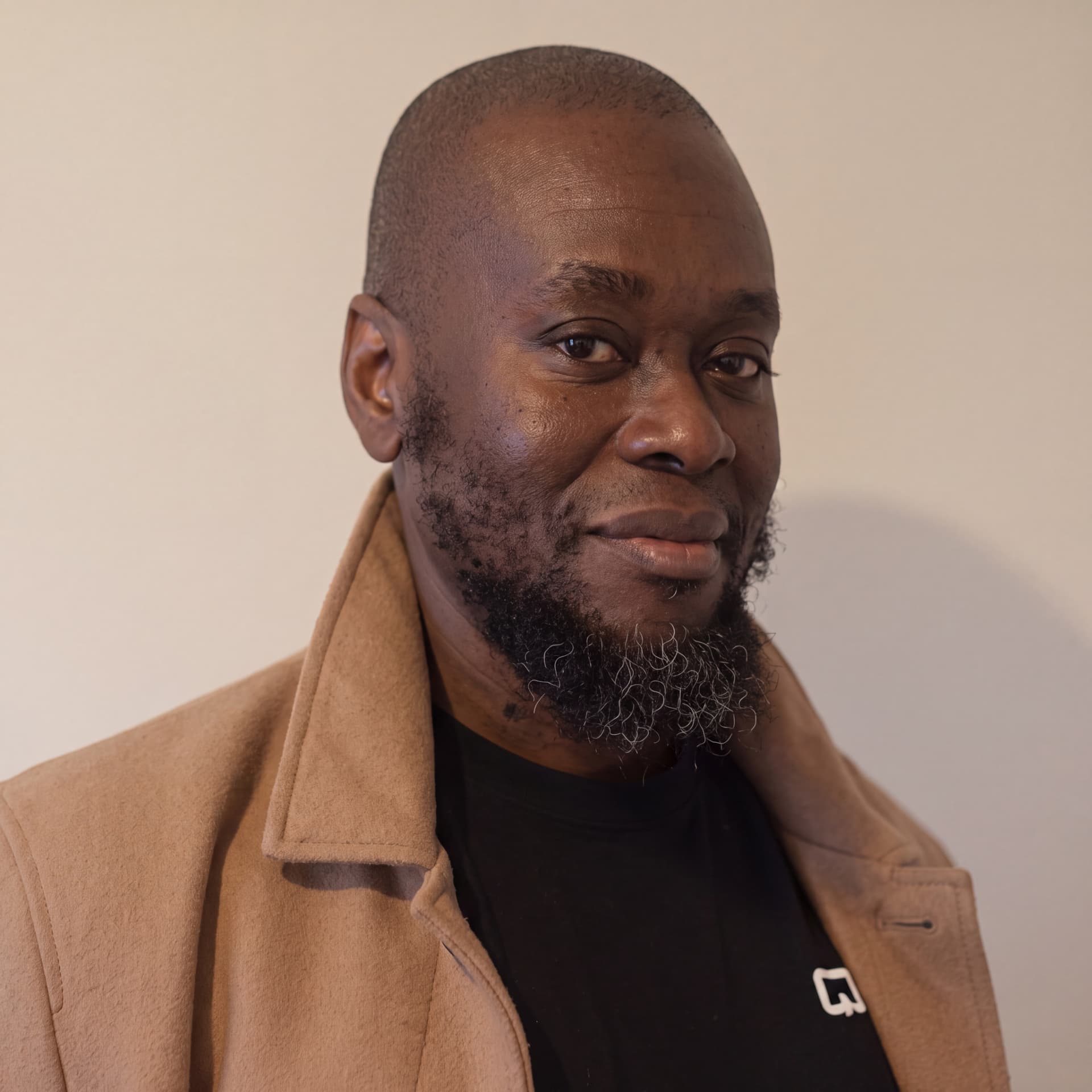
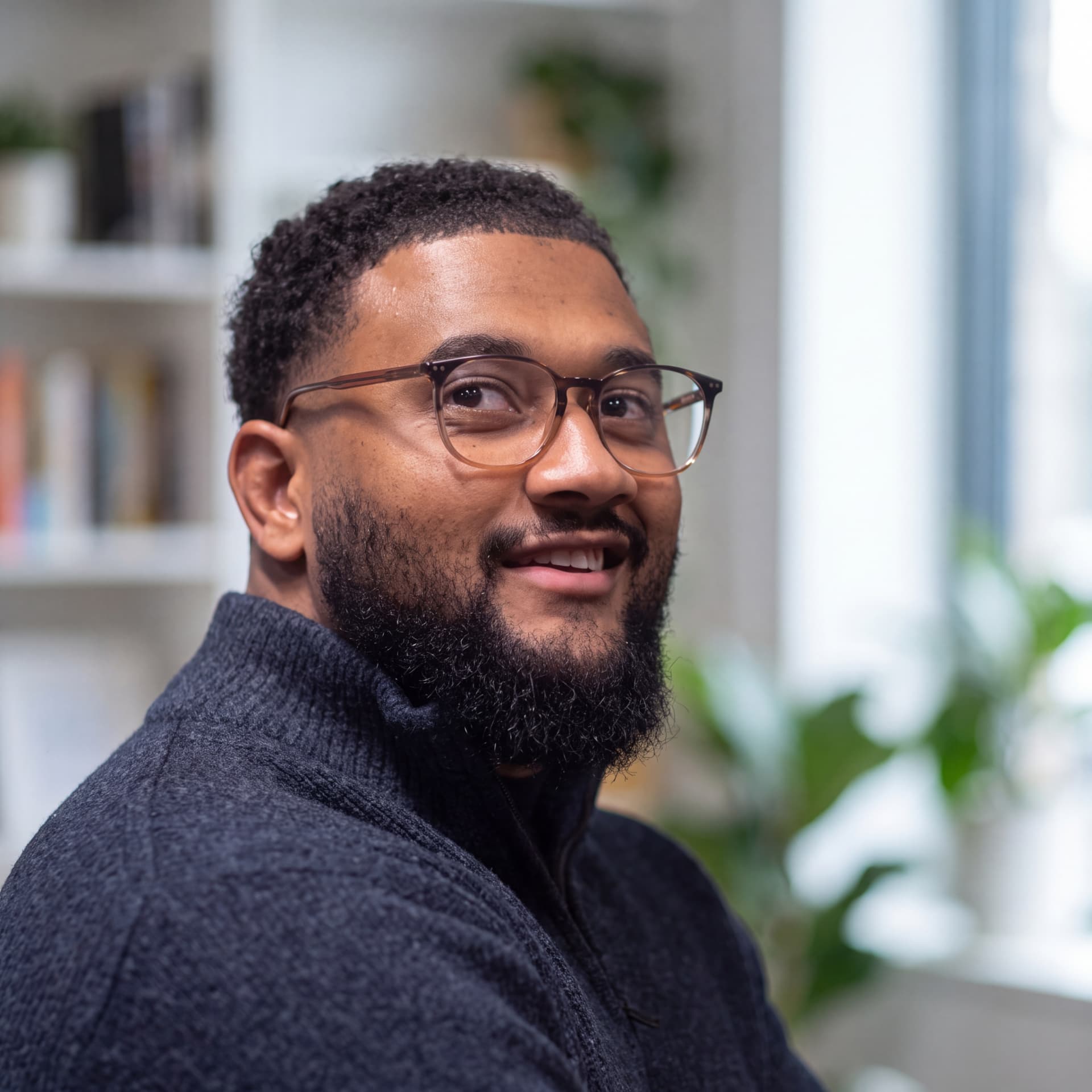
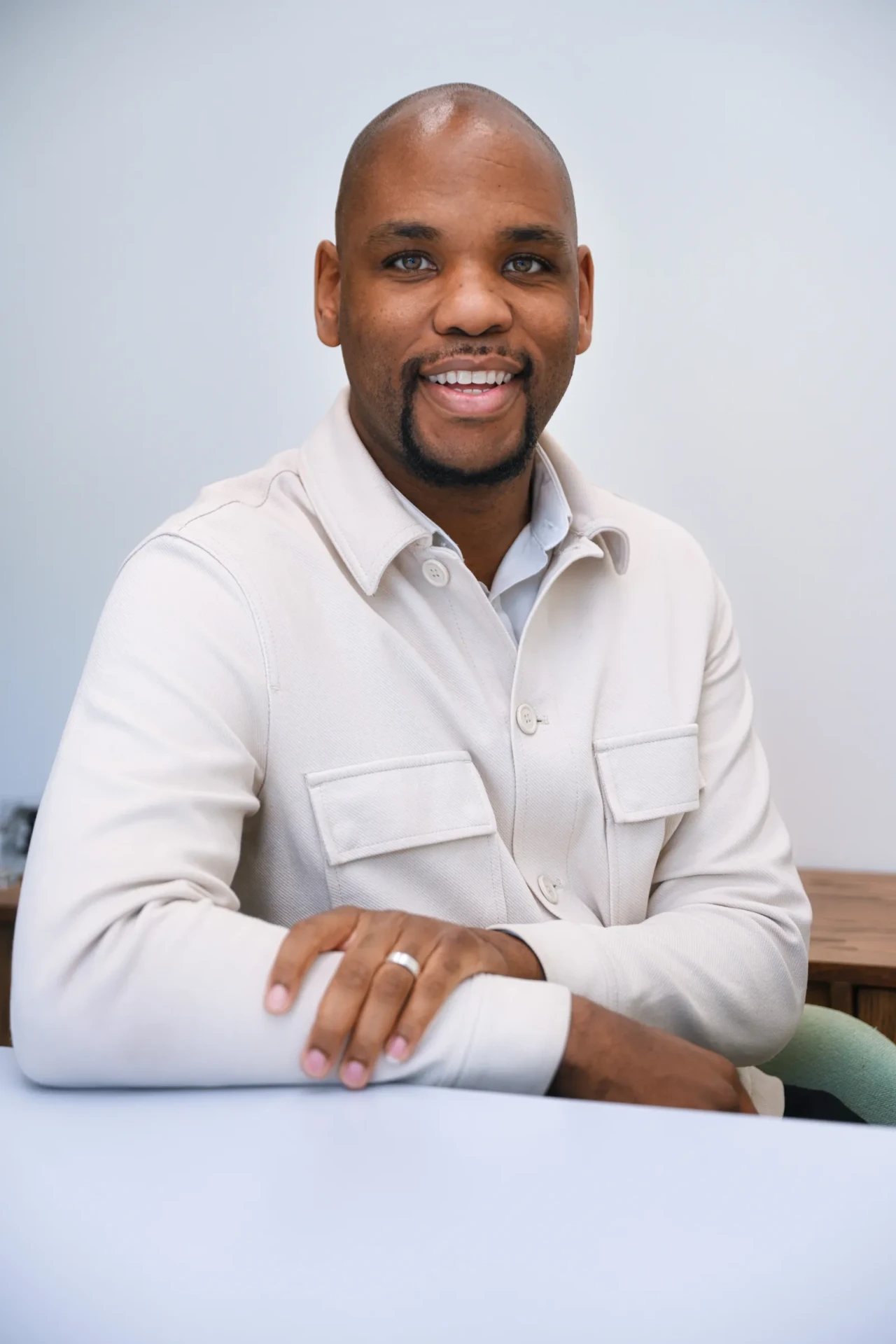
Meet the collective
Our team brings together researchers and engagement specialists with deep expertise in community-centred approaches.





Logos identify organisations Urban Insight Collective has worked with or alongside. They do not imply endorsement.
The frameworks are the product.
Trust metrics, power-sharing criteria, the community researcher model, and analysis at scale. Each one is set out in full on the Approach page.